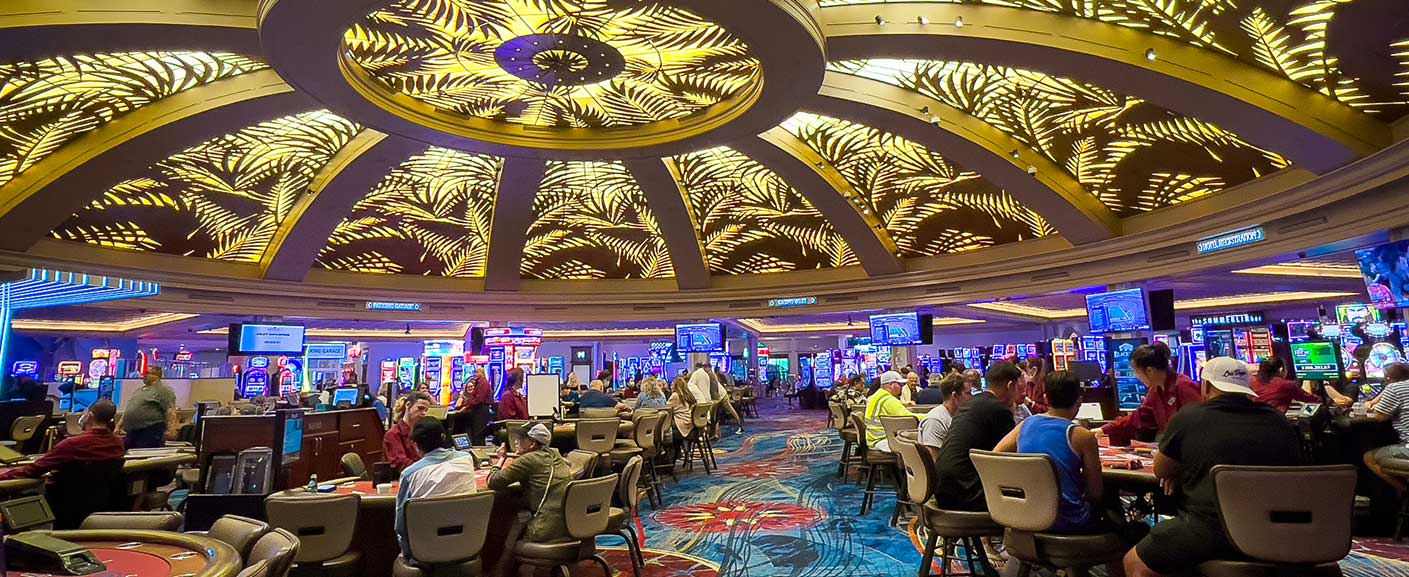
Cultural attitudes shape our understanding of gambling's role in society
Historical Perspectives on Gambling
The history of gambling is deeply intertwined with cultural narratives and societal values. From ancient civilizations that engaged in betting as a form of entertainment to modern societies where gambling has become a multi-billion dollar industry, cultural attitudes have consistently shaped how gambling is perceived. In many societies, gambling was once viewed with skepticism or outright disdain, often associated with vice and moral decay. However, as societies evolved, so did their perspectives on gambling, often aligning it more closely with recreation and economic opportunity. For a fantastic selection of games, visit https://vip168sacasino.co.uk/games/.

This evolution in perception illustrates how cultural contexts can redefine the role of gambling. In some cultures, gambling is celebrated as a communal activity, fostering social interaction and bonding. In contrast, in cultures where individualism is prioritized, gambling may be seen as a personal choice, emphasizing personal responsibility. These differing views contribute significantly to how laws and regulations surrounding gambling are crafted, revealing the profound impact of cultural attitudes.
Contemporary Views on Gambling
Today, gambling occupies a complex space in society, where its role varies greatly depending on cultural context. In regions where gambling is legalized and regulated, it is often seen as an acceptable form of entertainment. Here, the focus may shift towards responsible gambling practices, promoting awareness of potential risks while celebrating the thrill of chance. The rise of online gambling platforms has further transformed the landscape, making gambling more accessible and mainstream.
Conversely, in societies where gambling is restricted or stigmatized, individuals may harbor negative views about it, associating it with addiction and financial ruin. Such attitudes can influence public policy and the enforcement of laws, leading to a disparity in access to gambling opportunities. This dichotomy illustrates the ongoing debate around gambling’s place in modern culture and its implications for individuals and communities alike.
The Role of Media in Shaping Perceptions
Media plays a pivotal role in shaping cultural attitudes toward gambling. Television shows, films, and advertising often glamorize gambling, portraying it as an exciting and glamorous activity. This representation can influence public perception, making gambling more socially acceptable and appealing. Conversely, negative portrayals, such as those depicting gambling addiction and its consequences, can contribute to societal stigma and fear.
Moreover, the accessibility of information through social media allows for diverse opinions and experiences to be shared, further influencing cultural narratives. The conversations happening online can either challenge or reinforce existing stereotypes about gambling, shaping how individuals view their own participation in such activities. This complex interplay between media, public perception, and cultural attitudes demonstrates the significant impact media has on understanding gambling’s societal role.
Gambling and Economic Implications
Cultural attitudes toward gambling also have tangible economic implications. In regions where gambling is embraced, it can contribute significantly to local economies through job creation, tax revenue, and tourism. Casinos and gaming establishments can become vital components of community development, often leading to improved infrastructure and services. This economic perspective tends to shift how gambling is perceived, from a mere pastime to a critical economic driver.
However, this economic viewpoint can also lead to ethical dilemmas, especially in areas where gambling may contribute to social issues such as addiction or financial instability. The tension between economic benefits and societal costs highlights the complexities of gambling’s role in society. Ultimately, how cultures balance these factors can dictate the extent to which gambling is integrated into the fabric of society.

Exploring Gambling through Online Platforms
The rise of online gambling has revolutionized the industry, providing users with more options than ever before. Platforms like VIP168SA Casino exemplify this shift, offering a diverse range of games that cater to various tastes and preferences. Such online spaces not only enhance access to gambling but also reflect changing cultural attitudes towards it. As people increasingly engage with gambling online, societal perceptions may continue to evolve, potentially leading to wider acceptance.
Moreover, these platforms often emphasize user experience, security, and responsible gaming, further shaping how gambling is understood and practiced. As online gambling continues to grow in popularity, it will be fascinating to observe how cultural attitudes adapt in response to this rapidly changing landscape. Online casinos are not just entertainment hubs; they also play a role in informing and influencing societal views on gambling as a whole.